
Car Insurance for Teen Drivers in Texas: What Parents Actually Pay
Free to compare
Texas Minimum Coverage Requirements for Teen Drivers
Texas requires the same liability minimums for teen drivers as adult drivers: $30,000 bodily injury per person, $60,000 per accident, and $25,000 property damage (30/60/25). No separate teen-specific mandate exists, but most insurers will not issue a policy to a driver under 18 as the named policyholder — the parent must be the primary insured.
Teen drivers with learner's permits do not need to be formally added to a parent's policy in Texas until they receive a provisional license, but many carriers automatically include household members with permits in their underwriting once the permit is issued. Failing to disclose a permitted teen during the learner phase can trigger a coverage denial if that teen causes an accident while driving a parent's vehicle.
The state does not require higher liability limits for teen drivers, but liability-only coverage for a teen on a parent's policy typically costs $140–$280/mo in major Texas metro areas — substantially higher than the $45–$75/mo a parent pays for minimum coverage alone. The jump reflects actuarial risk: drivers aged 16–19 have crash rates roughly three times higher than drivers aged 20 and older, according to Texas Department of Insurance collision data.

How Adding a Teen Changes Your Premium Structure
Adding a teen driver to an existing Texas auto policy does not simply append a flat fee — it recalculates the entire policy premium based on vehicle assignment, primary driver designation, and household risk pooling. If you have two vehicles and assign your teen as the primary driver of the older, lower-value car, your total household premium typically increases $150–$220/mo. If the teen is listed as an occasional driver on a newer vehicle, that same addition can cost $240–$350/mo.
The sequence matters. If you add the teen first, then assign vehicles, most carriers default the teen to the highest-value vehicle in the household — triggering the higher rate tier. If you explicitly assign the teen to a specific vehicle before finalizing the policy change, you lock in the lower-risk calculation. The difference in six-month premium cost between these two sequences can exceed $600 with the same carrier for the same coverage.
Parent gender and marital status also affect the math. A married couple adding a teen pays roughly 10–15% less than a single parent adding the same teen, because two-adult households receive multi-driver and marital status discounts that offset some of the teen surcharge. In Dallas and Houston metro areas, this discount differential translates to $25–$40/mo in measurable savings on identical liability coverage.

Average Teen Driver Rates by Texas Metro Area
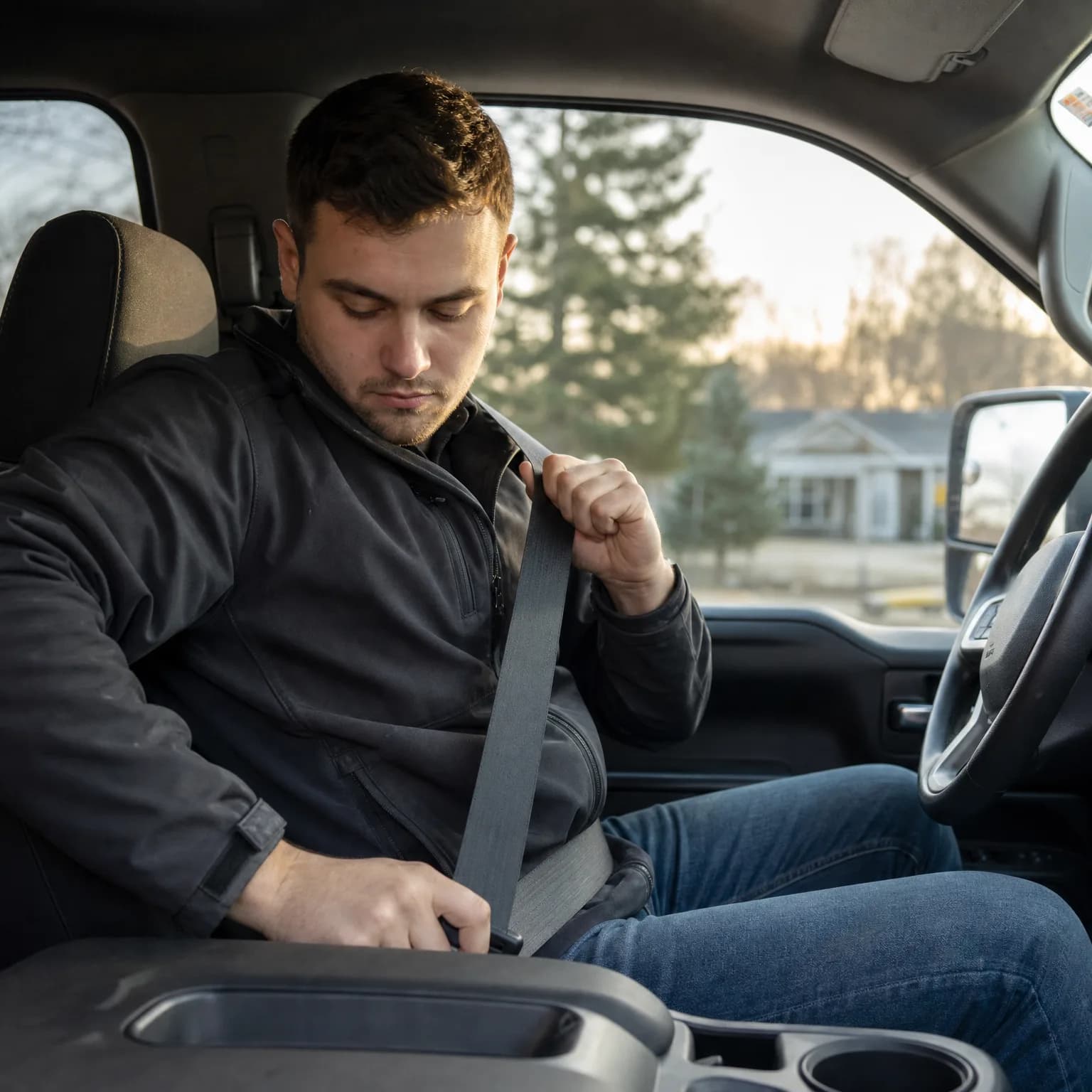
Teen driver premiums in Texas vary more by ZIP code than by the teen's own driving record during the first policy term. A 16-year-old male with no violations added to a parent's policy in Austin averages $185–$255/mo for minimum liability, while the same profile in Houston averages $210–$295/mo — a difference driven by localized uninsured motorist rates and collision frequency, not the individual teen's risk.
Dallas-Fort Worth falls between those ranges at $195–$270/mo, while San Antonio trends slightly lower at $175–$240/mo. Suburban ZIP codes within the same metro area can vary by 20–30% based on claims density: a Plano address typically produces lower teen premiums than a central Dallas address, even when the parent's driving record and coverage selections are identical.
Rural Texas counties show lower absolute premiums — often $130–$190/mo for the same minimum liability coverage — but fewer carrier options. Parents in counties with only two or three active insurers writing new teen policies often face take-it-or-leave-it pricing with limited room for negotiation or discount stacking.

Find Out What Your Coverage Should Cost
Compare Rates and Get CoveredFull Coverage vs. Liability-Only for Teen-Driven Vehicles
Most parents default to liability coverage only when adding a teen to their policy, especially if the teen drives an older vehicle. That decision makes financial sense when the car's actual cash value falls below $4,000–$5,000, but the break-even calculation changes if the parent is financing the vehicle or if the teen drives a car worth more than two years of collision premium.
Full coverage for a teen driver in Texas — liability plus comprehensive and collision with a $500 deductible — typically runs $320–$480/mo depending on metro area and vehicle value. If the car is worth $8,000 and the annual full coverage premium is $4,200, you're paying more than 50% of the car's value every year. Liability-only at $180/mo ($2,160/year) becomes the rational choice unless the parent cannot absorb a total-loss scenario out of pocket.
The calculation inverts for newer vehicles. If the teen drives a three-year-old car worth $18,000, the collision premium of roughly $140–$160/mo represents less than 11% of the vehicle's value annually. In that scenario, dropping collision to save $1,800/year makes sense only if the parent has $18,000 in accessible savings to replace the car if the teen totals it — a threshold most families don't meet.
Discounts That Actually Lower Teen Driver Premiums
Good student discounts are the most accessible rate reducer for Texas teen drivers, typically cutting premiums by 8–15% if the teen maintains a B average or 3.0 GPA. Most carriers require report card submission every six months, and the discount vanishes if grades drop below the threshold mid-term — triggering a rate increase at the next renewal without advance warning.
Driver's education completion discounts range from 5–10% with most Texas insurers, but the discount applies only if the course is state-approved and the certificate is submitted before the teen's license is added to the policy. Submitting proof after the policy effective date often requires a manual underwriting review, delaying the discount by 30–60 days and sometimes requiring a full policy rewrite.
Telematics programs — mobile app-based driving monitoring — offer the largest potential savings for teens, with discounts reaching 20–30% for consistently safe driving metrics. The trade-off: harsh braking, rapid acceleration, or late-night driving patterns can increase premiums by 10–15% over the base rate if the monitoring period reveals high-risk behavior. Parents should verify whether the telematics program applies a discount for participation alone or ties the discount strictly to performance — the former is lower-risk, the latter can backfire.
When to Shop Separately vs. Adding to a Parent Policy
A standalone teen driver policy in Texas is almost always more expensive than adding the teen to a parent's existing policy — often by 60–90% for identical coverage. A solo policy for a 17-year-old male in Houston with minimum liability averages $380–$520/mo, while adding that same teen to a parent's policy costs $210–$295/mo. The standalone route makes sense only in rare scenarios: the parent has no car or insurance, the parent's driving record is so poor that their policy is already assigned-risk, or the teen owns a vehicle titled solely in their name.
Some parents consider buying a separate policy to protect their own policy from the teen's future claims, hoping to firewall rate increases. Texas law does not recognize this strategy — if the teen lives in the household and has regular access to the parent's vehicles, insurers treat them as a household driver regardless of whose name appears on the policy. Failing to disclose a household teen on the parent's policy can void coverage even if the teen has their own separate policy.
The one exception: emancipated minors or teens who live away from home for college without a car. If the teen attends school more than 100 miles from the parent's address and does not bring a vehicle to campus, most Texas carriers offer an away-at-school discount of 15–35%, treating the teen as an occasional driver rather than a primary risk. The discount requires proof of enrollment and out-of-state or distant in-state residence documentation each policy term.
Frequently Asked Questions
Do I have to add my teen to my car insurance when they get a learner's permit in Texas?
Texas law does not require adding a permitted teen until they receive a provisional license, but most insurers automatically include household permit holders in underwriting once discovered. Failing to disclose a permitted teen can void coverage if they cause an accident while driving your vehicle, even during supervised practice driving.
How much does insurance go up when you add a 16-year-old driver in Texas?
Adding a 16-year-old to a parent's Texas policy typically increases total household premiums by $150–$350/mo depending on metro area, vehicle assignment, and coverage level. The increase is lowest when the teen is assigned as primary driver of an older, lower-value vehicle and highest when listed as an occasional driver on a newer car.
Can my teenager get their own car insurance policy in Texas?
Most Texas insurers will not issue a policy to a driver under 18 as the primary named insured. Teens can technically obtain standalone coverage, but it costs 60–90% more than being added to a parent's policy for identical coverage, and underwriting options are extremely limited.
What is the cheapest car insurance for a teenager in Texas?
The lowest-cost option is adding the teen to a parent's existing policy with the teen assigned as primary driver of the household's oldest vehicle, liability-only coverage, and all applicable discounts (good student, driver's ed, telematics) activated before the policy effective date. Standalone teen policies or assigning the teen to a newer vehicle can double the monthly cost.
Related Articles

Maryland Senior Driver Insurance — Coverage Guide
4/5/2026

Cheapest Car Insurance in Georgia | Low-Cost Options
4/2/2026

NY Senior Driver Insurance: Coverage Requirements
4/5/2026

New Mexico Required Car Insurance Coverage
7/13/2026

Car Insurance at 21: Rate Drop Size & How to Claim It
4/5/2026

Minnesota Teen Driver Insurance — Coverage Guide
4/5/2026