What Affects Rates in Sioux City
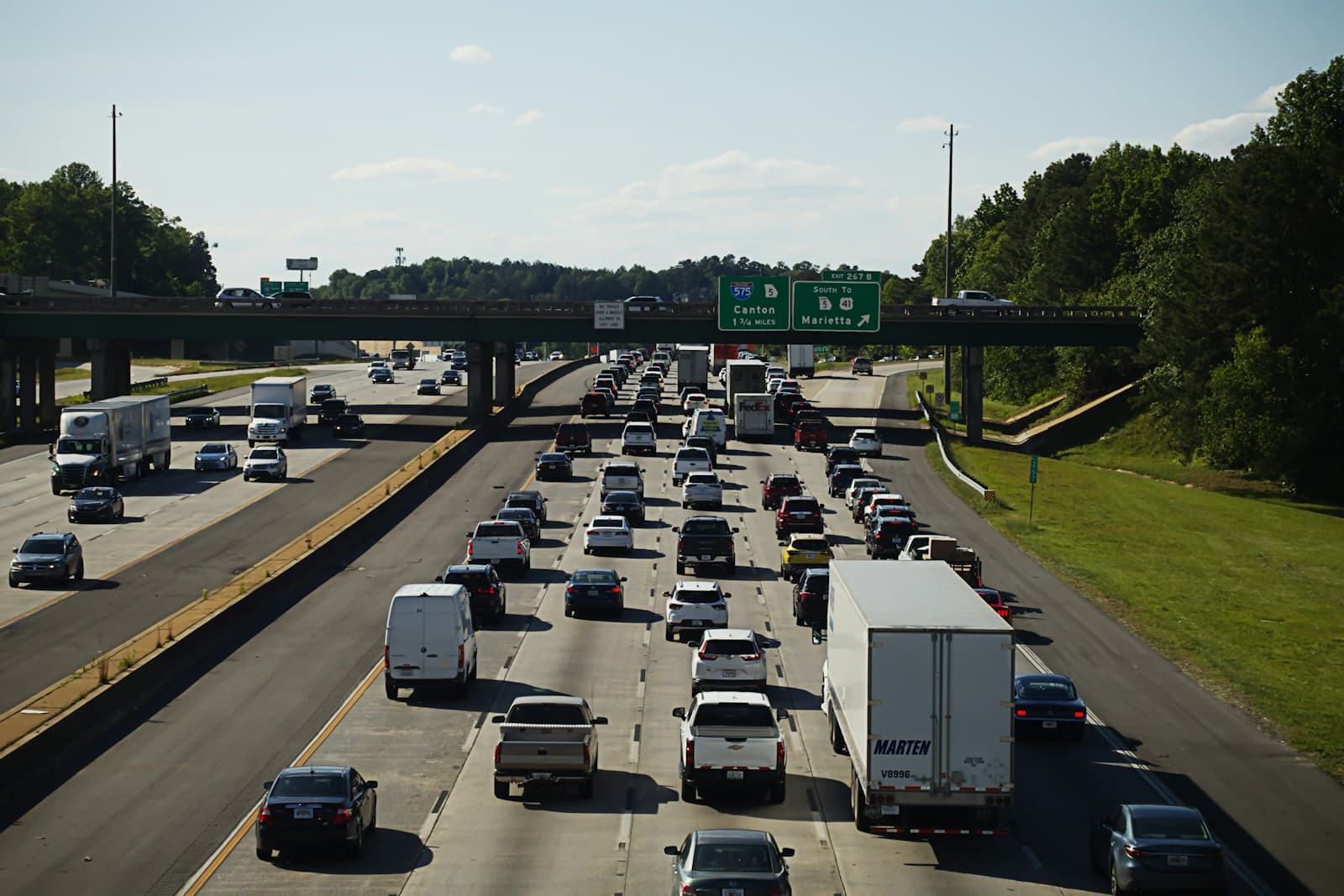
- Interstate 29 runs directly through Sioux City, with exits at Hamilton Boulevard, Gordon Drive, and Singing Hills Boulevard creating high-frequency accident zones during commute hours. Winter weather compounds risk along the Floyd River bridge sections. Drivers with routes through the downtown I-29/US-75 interchange see elevated collision premiums.
- The 2011 Missouri River flooding impacted comprehensive claim patterns citywide, and proximity to the river still factors into underwriting decisions. Properties in the Riverside and South Bottoms neighborhoods face higher comprehensive rates due to flood recurrence risk. Even areas beyond FEMA zones see pricing adjustments based on historical water damage claims.
- Downtown Sioux City and the Historic Fourth Street district show higher theft and vandalism claim frequencies than suburbs like Southern Hills or Morningside. Vehicle break-ins near the convention center and parking structures along Pierce Street drive comprehensive premiums up 15–20% compared to residential areas north of Morningside Avenue.
- Sioux City averages 32 inches of snow annually, with ice storms frequently closing US-20 and making Stone Avenue hill sections treacherous. January and February see collision claim spikes of 30–40% above summer months. Carriers adjust pricing for drivers without garage parking in exposed areas like Leeds and Greenville.
- Woodbury County's uninsured motorist rate sits near 14%, above Iowa's 12% average. This concentration makes uninsured/underinsured motorist coverage particularly valuable for Sioux City drivers, especially those commuting on shared rural highways like Highway 141 toward Mapleton or Highway 75 north toward Hinton.

Compare auto insurance rates in your state
Get matched with licensed carriers in minutes. One short form, real quotes, no obligation.
Get Your Free QuoteCoverage Recommendations
Cost estimates are based on available industry data and vary by driver profile. These are not insurance quotes.
Liability Insurance
Essential for I-29 corridor drivers where multi-vehicle accidents during winter create significant third-party claim exposure.
$40–$80/moEstimated range only. Not a quote.
Full Coverage
Recommended for Sioux City drivers financing vehicles due to flood risk and higher collision rates on Gordon Drive and Hamilton Boulevard corridors.
$95–$165/moEstimated range only. Not a quote.
Comprehensive Coverage
Critical for properties near the Missouri River floodplain and downtown parking areas with elevated vehicle break-in rates.
$25–$50/moEstimated range only. Not a quote.
Collision Coverage
Highly valuable given winter ice storms and frequent rear-end collisions at I-29 exit ramps during rush periods.
$45–$90/moEstimated range only. Not a quote.
Uninsured Motorist
Woodbury County's 14% uninsured rate makes this coverage particularly important for Highway 75 and Highway 141 commuters.
$15–$30/moEstimated range only. Not a quote.