What Affects Rates in Bozeman
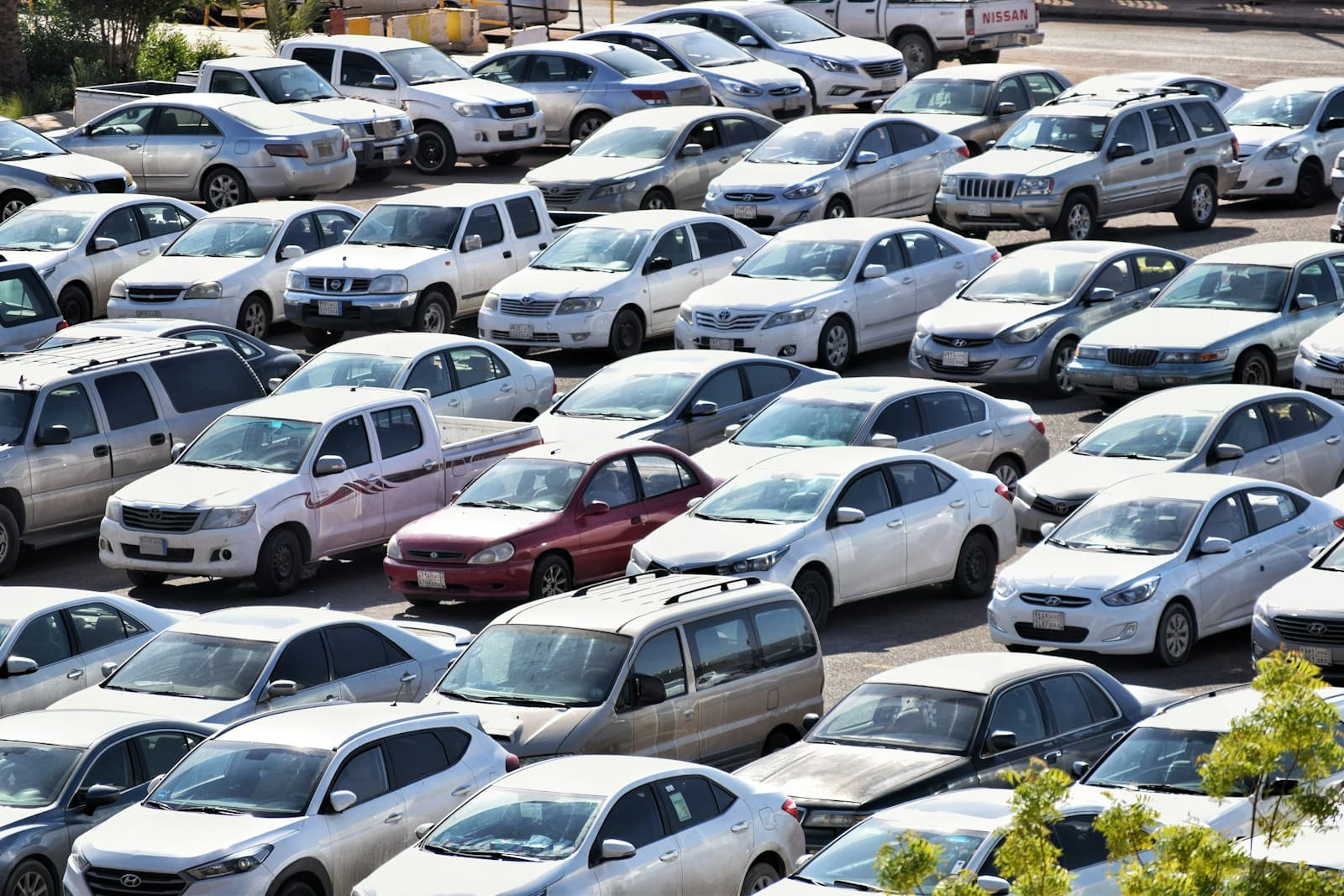
- The area bounded by Kagy Boulevard, 19th Avenue, and South 11th creates Montana's densest non-interstate traffic concentration outside Billings and Missoula. Parking lot incidents and intersection collisions near MSU campus elevate rates 8–15% compared to Four Corners or Belgrade. Student driver demographics and apartment complex parking contribute to theft and vandalism claims.
- Highway 191 South to Big Sky and Bridger Canyon Road see heavy recreational traffic year-round, with winter ice and wildlife collisions spiking November through March. Elk and deer strikes peak during dawn/dusk commutes. Comprehensive coverage claims run 22% higher than Montana's rural average due to wildlife density and mountain driving conditions.
- The commercial stretch from Baxter Lane to Oak Street handles the region's highest retail traffic volume. Fender-benders in Walmart, Target, and Costco lots contribute to collision frequency. This zone sees 30% more property damage claims per capita than residential neighborhoods like Figgins or Painted Hills.
- Summer brings Yellowstone-bound tourists through town on Interstate 90 and Highway 191, increasing accident frequency June through August. Winter ski traffic to Bridger Bowl and Big Sky adds congestion and weather-related claims December through February. Out-of-state driver involvement raises uninsured motorist claim complexity.
- Population growth from 27,000 in 2000 to 53,000 today has outpaced road capacity improvements. Durston Road, Huffine Lane, and Jackrabbit Lane experience bottlenecks during peak hours. Construction zones and evolving traffic patterns contribute to rear-end collisions and distracted driving incidents.
Compare auto insurance rates in your state
Get matched with licensed carriers in minutes. One short form, real quotes, no obligation.
Get Your Free QuoteCoverage Recommendations
Cost estimates are based on available industry data and vary by driver profile. These are not insurance quotes.
Liability Insurance
Critical for North 19th corridor and Main Street fender-benders where parking lot and intersection incidents are common.
$45–$75/moEstimated range only. Not a quote.
Full Coverage
Essential for financed vehicles given Bozeman's wildlife strike risk on Bridger Canyon Road and winter driving hazards.
$95–$165/moEstimated range only. Not a quote.
Comprehensive Coverage
Deer and elk strikes on Highway 191 and Bridger Canyon make this vital for rural commuters and Big Sky travelers.
$28–$52/moEstimated range only. Not a quote.
Collision Coverage
Addresses risks on congested Huffine Lane and Durston Road where construction and growth create changing conditions.
$42–$78/moEstimated range only. Not a quote.
Uninsured Motorist
Valuable during peak Yellowstone tourist season when out-of-state visitors increase accident likelihood on I-90.
$12–$24/moEstimated range only. Not a quote.