What Affects Rates in Colchester
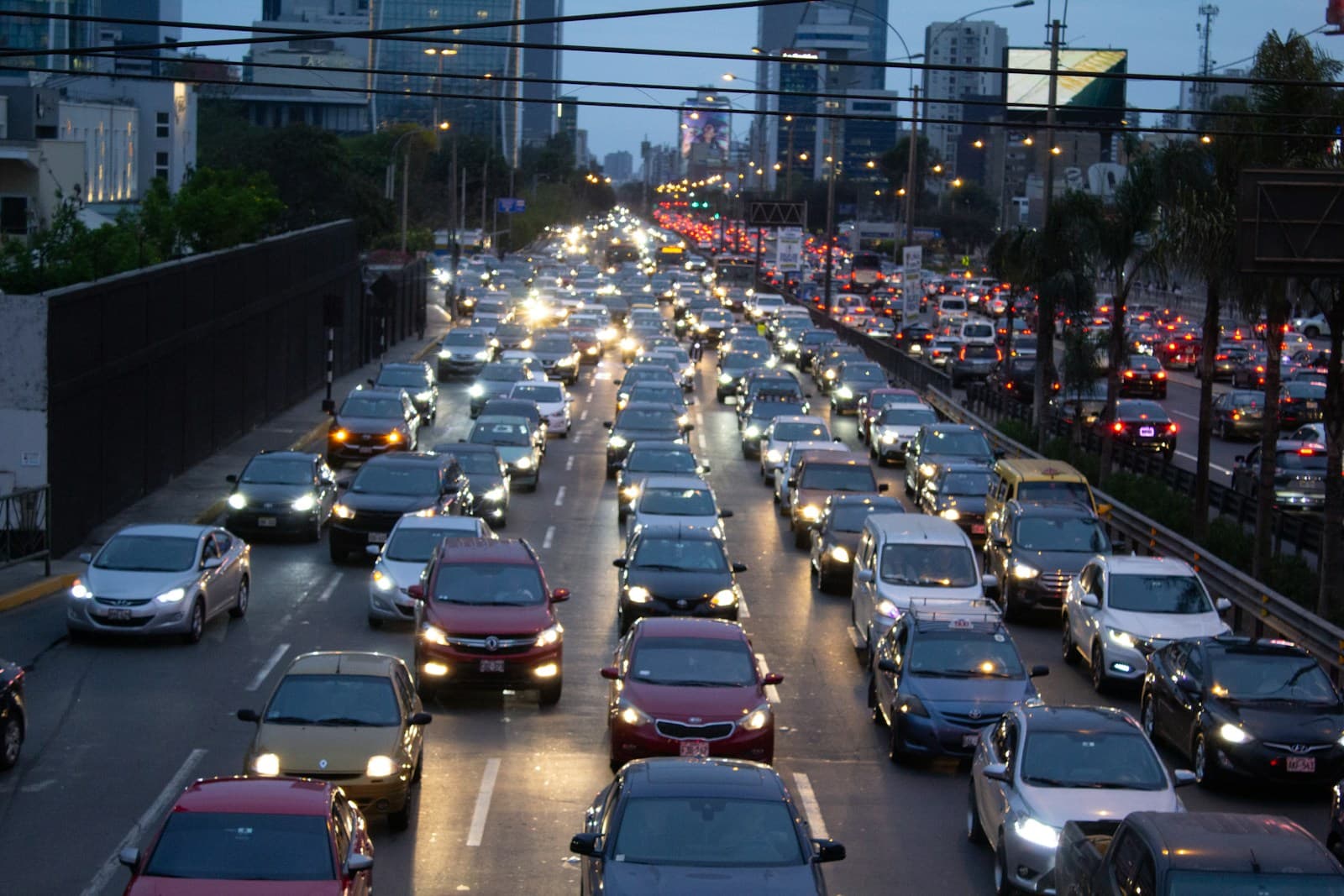
- Daily traffic between Colchester and Burlington concentrates on I-89 Exit 16 and the Route 7/Heineberg Road corridor. Morning and evening rush hours see moderate congestion near the Taft Corners area, elevating collision frequency compared to residential zones. Carriers factor commute distance into premiums, with daily Burlington trips adding 5–10% over local-only driving.
- The town blends suburban neighborhoods near Village Green with rural stretches along Lakeshore Drive and Porters Point Road. Properties near Severance Green and Blakely Road see lower theft and vandalism rates than Burlington, reducing comprehensive premiums. Outer areas toward Mallets Bay experience fewer claims but longer emergency response times.
- Winter storms off Lake Champlain create icing conditions along Route 127 and Colchester Point Road, particularly November through March. The Winooski River corridor experiences flooding during spring thaw, affecting vehicles parked near Bay Road and East Road. These seasonal risks increase collision and comprehensive claims 15–20% above Vermont's inland towns.
- Saint Michael's College adds student drivers September through May, concentrating inexperienced operators near Winooski Park and Route 15. The Vermont Air National Guard base at Burlington International Airport generates military personnel commuting through Colchester on I-89, contributing to steady traffic volume year-round.
- Taft Corners commercial district draws shoppers from surrounding towns, increasing parking lot incidents and pedestrian interactions along Susie Wilson Road. Colchester's shopping density is lower than Burlington's, but traffic around Walmart and Home Depot generates claim activity comparable to larger suburban centers.
Compare auto insurance rates in your state
Get matched with licensed carriers in minutes. One short form, real quotes, no obligation.
Get Your Free QuoteCoverage Recommendations
Cost estimates are based on available industry data and vary by driver profile. These are not insurance quotes.
Liability Insurance
Essential for I-89 commuters and Route 7 traffic, where multi-vehicle accidents during winter weather are common.
$65–$95/moEstimated range only. Not a quote.
Full Coverage
Recommended for financed vehicles given lake-effect winter conditions and parking lot incidents in Taft Corners commercial areas.
$145–$210/moEstimated range only. Not a quote.
Comprehensive Coverage
Addresses ice storm damage along Lakeshore Drive and deer collisions on rural roads like Porters Point and Bay Road.
$35–$55/moEstimated range only. Not a quote.
Collision Coverage
Valuable for daily I-89 commuters navigating rush hour merges near Exit 16 and winter black ice conditions.
$85–$130/moEstimated range only. Not a quote.
Uninsured Motorist
Vermont's rural uninsured rate applies to commuters from smaller towns passing through Colchester on Route 2A and Route 127.
$15–$25/moEstimated range only. Not a quote.