What Affects Rates in Racine
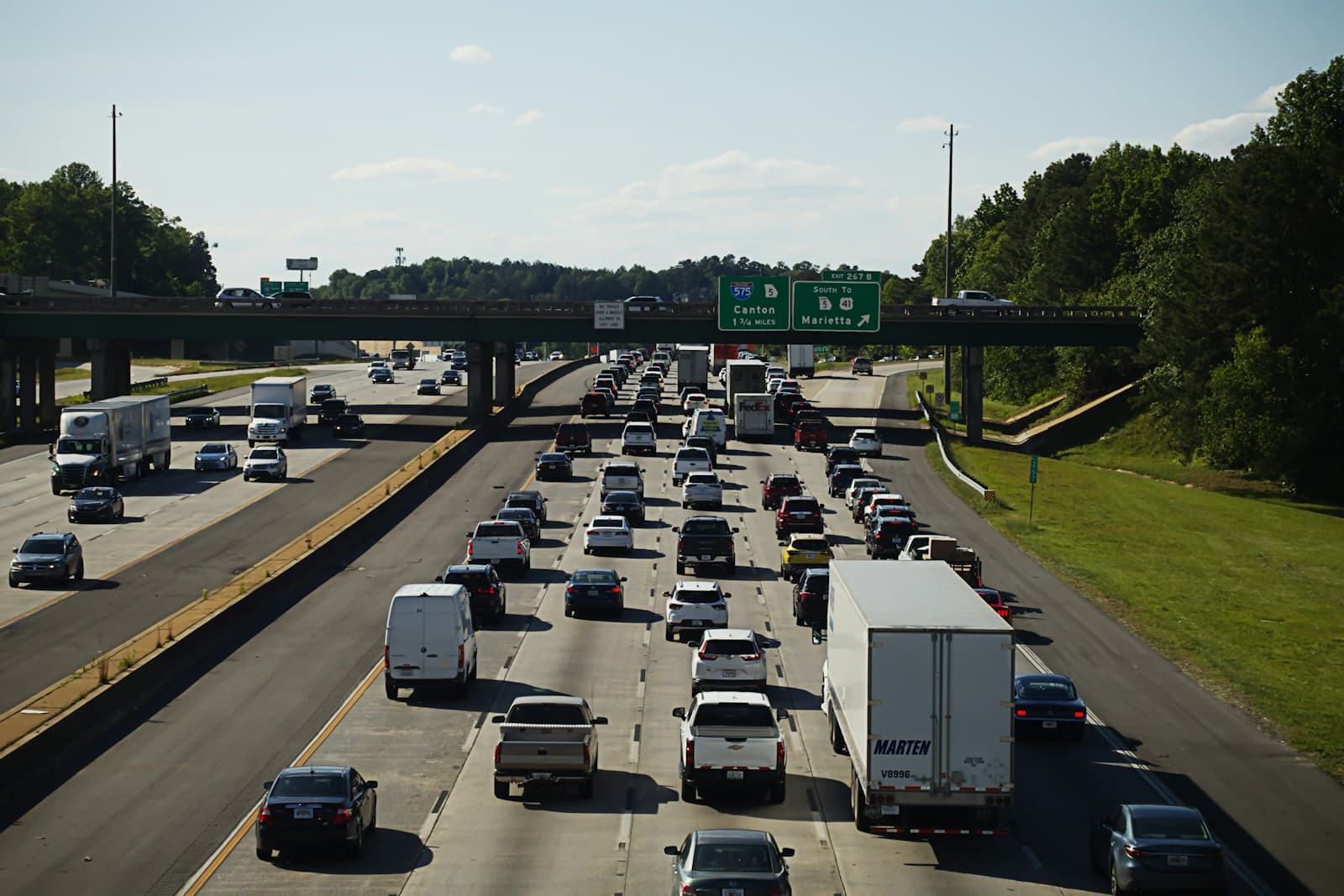
- I-94 carries heavy commuter traffic through Racine's western edge, connecting Milwaukee and Kenosha to northern Illinois employment centers. Rush-hour congestion between the Highway 20 and Highway 11 interchanges elevates collision risk. Drivers who regularly use this corridor typically see higher comprehensive and collision premiums than those commuting on surface streets.
- Lakefront neighborhoods east of Highway 32 experience lake-effect snow and ice storms that don't always reach western Racine. Winter accidents along Washington Avenue and Main Street near the harbor are common during sudden squalls. Comprehensive coverage costs reflect this seasonal volatility, particularly for vehicles parked outdoors overnight.
- SC Johnson headquarters and industrial parks along Northwestern Avenue and Durand Avenue generate concentrated weekday traffic. Morning and evening shift changes create predictable congestion zones with elevated fender-bender frequency. Policies for drivers commuting to these areas often carry slightly higher liability costs.
- Downtown Racine's compact grid between 6th Street and the lakefront sees higher rates of vehicle theft and vandalism than suburban neighborhoods west of I-94. Street parking along Monument Square and near Festival Hall increases door-ding claims. Comprehensive coverage is significantly more expensive for downtown-garaged vehicles.
- Highway 20 (Washington Avenue) is Racine's primary east-west route, connecting I-94 to the lakefront through commercial and residential zones. Heavy truck traffic serving lakefront industries and the Port of Racine increases accident severity. Collision coverage premiums reflect this mixed-use corridor risk.
Compare auto insurance rates in your state
Get matched with licensed carriers in minutes. One short form, real quotes, no obligation.
Get Your Free QuoteCoverage Recommendations
Cost estimates are based on available industry data and vary by driver profile. These are not insurance quotes.
Liability Insurance
Wisconsin requires 25/50/10 minimums, but Racine's I-94 commuter traffic and higher accident frequency make 100/300/100 limits advisable.
$45–$75/mo for minimum coverageEstimated range only. Not a quote.
Full Coverage
Essential for Racine drivers financing vehicles or facing lakefront weather risks along Highway 32 and downtown areas.
$95–$165/moEstimated range only. Not a quote.
Comprehensive Coverage
Lake-effect snow, downtown vehicle theft rates, and parking lot vandalism make this critical for Racine residents, especially east of I-94.
$25–$50/moEstimated range only. Not a quote.
Collision Coverage
Highway 20 congestion and I-94 corridor fender-benders justify low deductibles for daily commuters through Racine's commercial zones.
$35–$70/moEstimated range only. Not a quote.
Uninsured Motorist Coverage
Racine County's uninsured motorist rate runs near state average, but I-94 cross-state traffic increases hit-and-run exposure.
$10–$20/moEstimated range only. Not a quote.